

Quick heads-up: seed phrases are the single most critical piece of your crypto life. Lose it, and you’re usually out for good. Keep it, and you control everything. No drama, just facts.
A seed phrase (aka mnemonic phrase) is a human-readable representation of the private keys that control your accounts. Most wallets use BIP39 mnemonics plus derivation paths (BIP44/BIP32) to generate addresses for multiple blockchains from that one phrase. That makes seed phrases powerful — and a single point of failure. Understand that up front.
Why mobile wallets matter — and what to watch for
Mobile wallets are convenient. Really convenient. They give you on-the-go access to multiple chains, NFTs, and swaps — often with integrated DEX aggregators. But convenience comes with trade-offs:
- Device security: phones are multi-purpose computers. If the OS or apps are compromised, your wallet can be at risk.
- App provenance: only install wallets from official app stores or the project site, and verify developer details.
- Permissions: be stingy. A wallet shouldn’t request access to your contacts or files unless there’s a clear feature reason.
Hardware wallets remain the gold standard for custody. But modern mobile wallets bridge the gap by supporting hardware signing over Bluetooth or USB, letting you keep private keys offline while using your phone to interact with dApps.
Seed phrase best practices — realistic and practical
Write it down the old-fashioned way. Paper backups are simple and effective if stored securely. Metal backups are better for fire and water resistance. Avoid screenshots, cloud storage, email drafts, or password managers that sync to the cloud without local-only encryption.
Consider these points:
- Never share your seed phrase. No one needs it to help you with a transaction.
- Use a passphrase (BIP39 passphrase) only if you understand the extra complexity — it can add a strong layer, but if you lose that passphrase you lose access irreversibly.
- Test recovery on a new device with a small amount first. Confirm the derived addresses match what you expect before moving large funds.
How mobile swap functionality works — and the trade-offs
Most mobile wallets offer swaps via one of three routes:
- Built-in aggregator (aggregates multiple DEXs for price and routing).
- Direct DEX integration (single DEX like Uniswap).
- Off-ramp/on-ramp or custodial swap (you give custody temporarily to a service).
On-chain swaps are trustless when they use smart contracts you can audit, but that doesn’t remove all risk. Slippage, front-running, MEV, and approval token allowances are real concerns. Off-chain or custodial swaps are easier but reintroduce counterparty risk.
A few operational tips:
- Set reasonable slippage tolerance. Too low and the swap fails; too high and you could be sandwich-attacked.
- Review and revoke token approvals regularly. Approvals give contracts permission to move your tokens — don’t leave infinite approvals unless you have a reason.
- Perform a small test swap first when using a new route, chain, or bridge.
Multichain realities: derivation paths, addresses, and confusion
One seed phrase can generate addresses across many chains, but derivation path differences cause address mismatches between wallets. That’s why sometimes the same seed phrase looks like it has different accounts across wallets. If you’re moving funds between wallets, check the addresses first; don’t assume auto-detection will always catch it.
Bridges and cross-chain swaps introduce additional failure modes: wrapped tokens, custody risk, and long finality times. Use reputable bridges, confirm token contracts after bridging, and expect delays during congestion.
Practical workflow for safe mobile swapping
Here’s a simple workflow you can use every time:
- Confirm the receiving address carefully (and copy-paste; double-check). When possible, use address book features for frequent recipients.
- Check the swap route and estimated fees. Aggregators often show multiple hops — review them if gas or slippage looks odd.
- Set slippage and deadline values according to market volatility.
- Scan contract addresses on a block explorer before approving a new token contract.
- Sign with a hardware wallet when moving large sums; otherwise keep the amount per swap limited.
Choosing a wallet: what features actually matter
Feature hype is everywhere. Focus on these essentials:
- Open-source or at least audited codebase and a transparent security policy.
- Hardware wallet compatibility for signing.
- Ability to inspect and revoke approvals.
- Multichain support with clear network settings (custom RPC if needed).
- Integrated swap options that indicate sources and fees, not a black box.
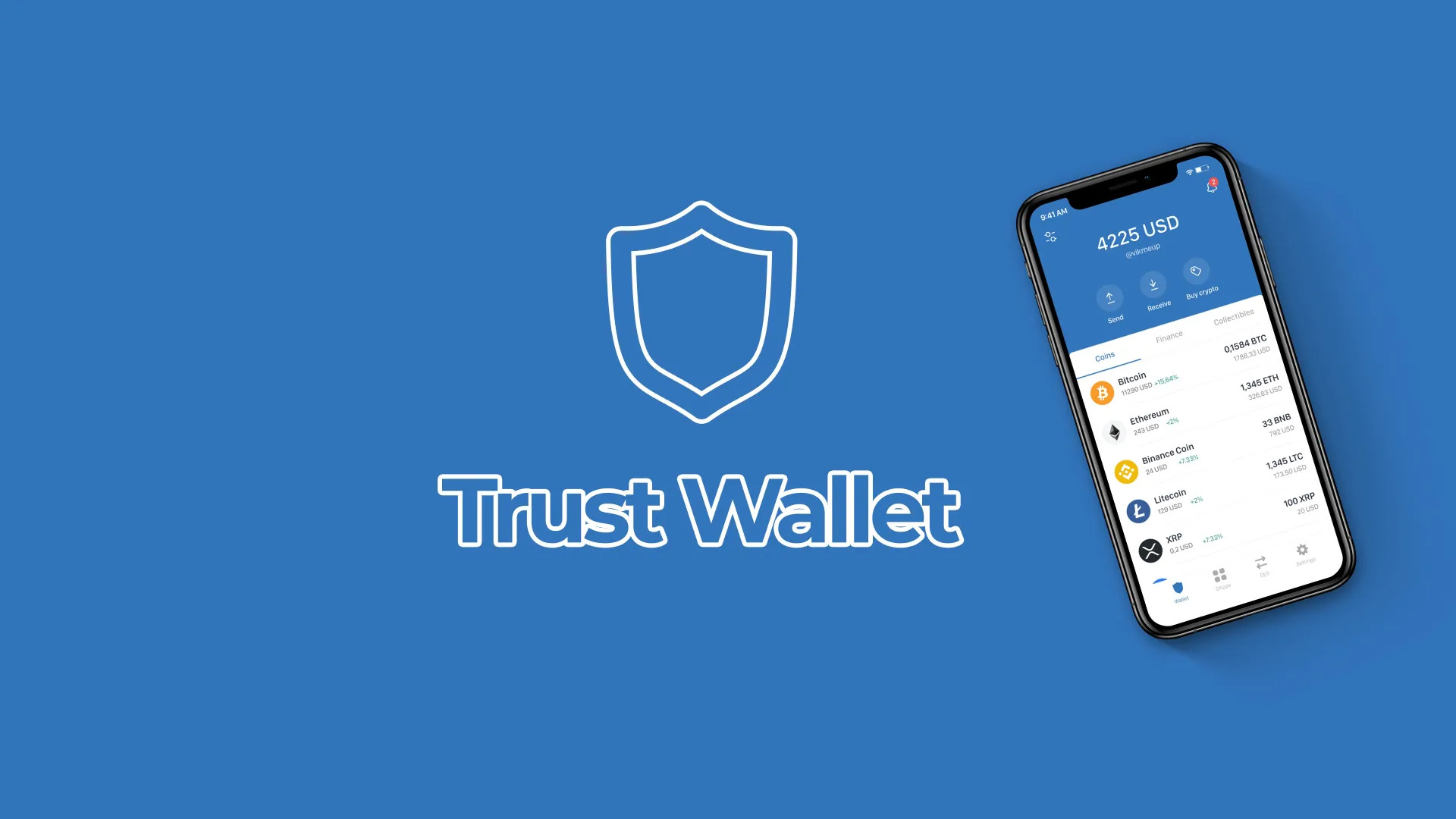
Wallets such as truts wallet provide multichain support and built-in swap features, which can be handy — but always pair any mobile wallet with strong backup habits and, when possible, hardware signing.
FAQ
Can I store my seed phrase on my phone?
Short answer: don’t. Phones can be backed up to the cloud, lost, device-compromised, or targeted by malware. If you must store a copy digitally, keep it in an encrypted, local-only vault that never syncs to cloud services, and understand the trade-offs.
Are in-app swaps safe?
They can be, depending on implementation. Swaps routed through audited aggregators and DEXs are generally safe from counterparty risk, but smart contract risk, price manipulation, and user errors remain. Start small and verify contracts and routes before executing large trades.
What is a passphrase and should I use one?
A passphrase (an extra word or phrase applied to your seed) creates a separate wallet derivation (a “hidden” wallet). It adds strong protection but also increases complexity: lose the passphrase and you lose access. Use one if you can reliably store it offline and separately from the seed itself.